
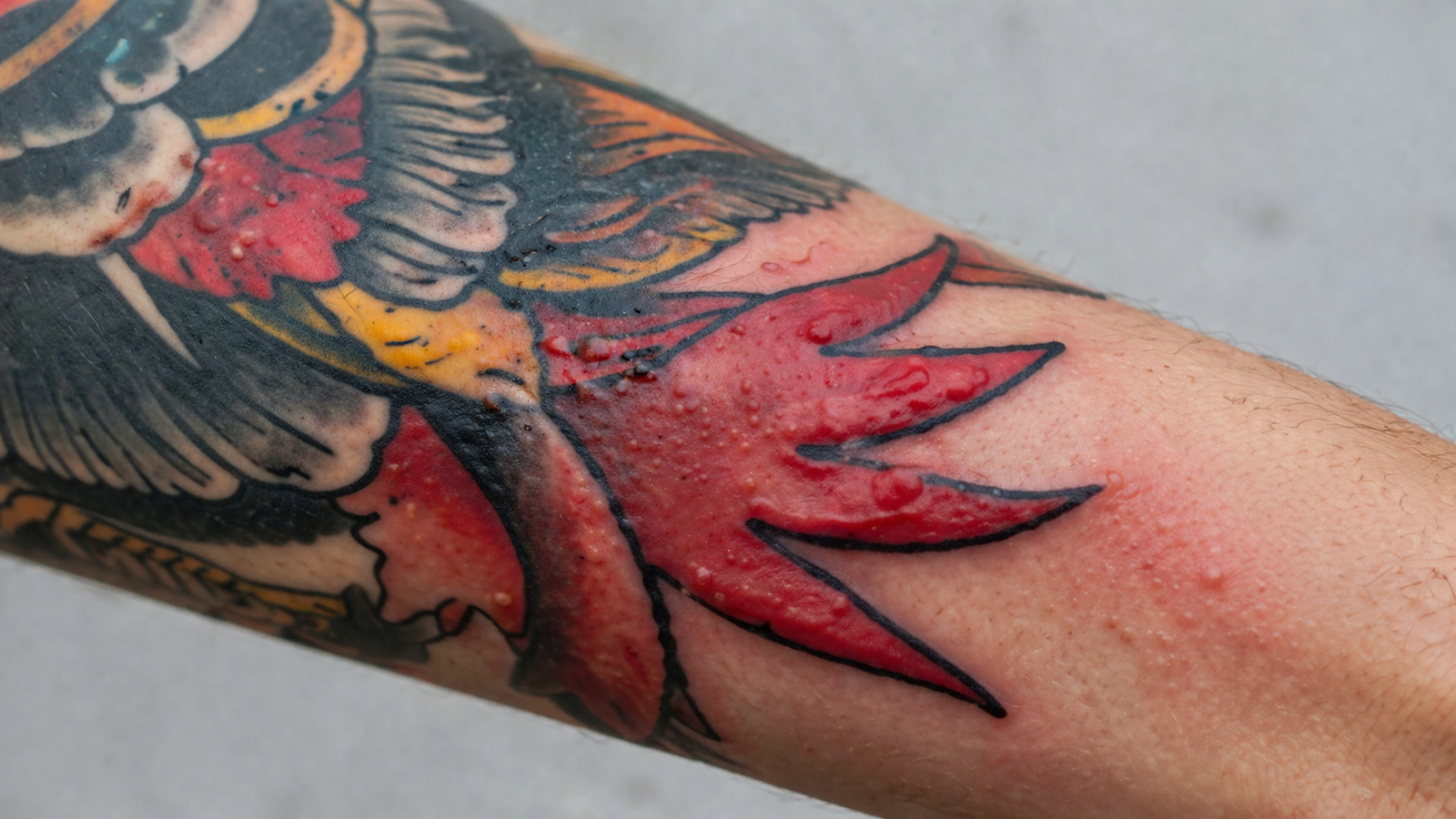
I did not think much about allergies on the day I got my first tattoo. Honestly, I was more concerned about the pain. The design was great, the studio was clean, and everything seemed professional. However, approximately a week later, something felt off. The skin around the tattoo became itchy, slightly raised, and would not calm down.
That is when I learned the hard way: yes, you can have a tattoo ink allergy, and it is more common than you might think.
If you are planning to get inked or already have a tattoo, this guide will help you understand what is really going on, what to watch for, and what to do next.
Contents
- 1 What Does Being Allergic to Tattoo Ink Mean?
- 2 My First Experience (And What I Got Wrong)
- 3 Which Tattoo Colors Cause the Most Allergies?
- 4 Signs You Might Be Allergic (Not Just Healing)
- 5 Real-World Scenario: What Happened After Ignoring It
- 6 What Causes This Reaction?
- 7 Step-by-Step: What to Do If You Suspect an Ink Allergy
- 8 Can Tattoo Ink Allergies Be Prevented?
- 9 Can Allergic Tattoos Be Fixed?
- 10 One Mistake Many People Make
- 11 Living With a Tattoo Allergy
- 12 Should You Completely Avoid Tattoos?
- 13 Final Thoughts
What Does Being Allergic to Tattoo Ink Mean?
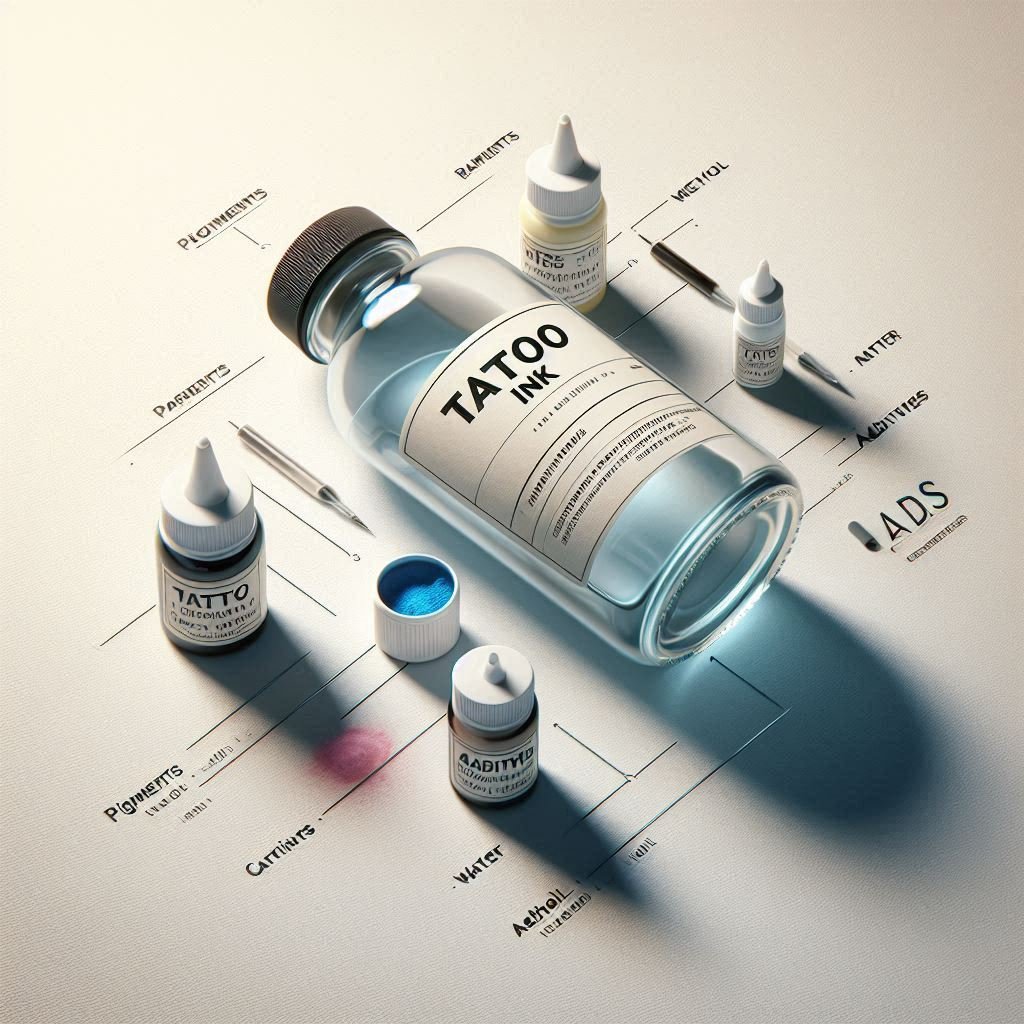
When people say they have a tattoo ink allergy, they are usually referring to a reaction to one or more pigments or ingredients in the ink.
Tattoo ink isn’t just “color.” It’s a mix of:
- Pigments (which can contain metals or synthetic compounds)
- Carriers (like alcohol or water to help inject the ink)
- Additives (to stabilize the mixture)
Your body may perceive one of these as a threat and trigger an immune response.
In simple terms, your skin does not like what has been applied to it.
My First Experience (And What I Got Wrong)
Let me be real: I skipped an important step before getting a tattoo: I did not ask about the ink.
I chose a design with bright red and yellow shades because it looked amazing online. The artist did a great job, but approximately 7–10 days later:
- The red areas stayed swollen longer than the black parts
- I had persistent itching (not just healing itch)
- Small bumps started forming
Initially, I thought it was normal healing. Many people do. However, after comparing it with a friend’s tattoo (same timing, same aftercare), mine clearly was not behaving normally.
What I actually experienced was a mild red tattoo ink reaction —something I had never even heard of before.
Lesson learned: not all tattoo reactions are part of healing.
Which Tattoo Colors Cause the Most Allergies?
Based on personal experience and the opinions of numerous tattoo artists and dermatologists, certain colors are more likely to cause problems.
Common culprits:
- Red ink – the biggest troublemaker (often contains mercury-based or azo pigments)
- Yellow ink – can cause sensitivity, especially in sunlight
- Green and blue – sometimes contain chromium or cobalt
- Purple – mixed pigments increase risk
Safer (generally):
- Black ink – usually carbon-based and less reactive
If you already know you have sensitive skin, asking your artist about hypoallergenic tattoo ink is a smart first step. It will not guarantee zero reactions, but it will significantly reduce the chances.
Signs You Might Be Allergic (Not Just Healing)
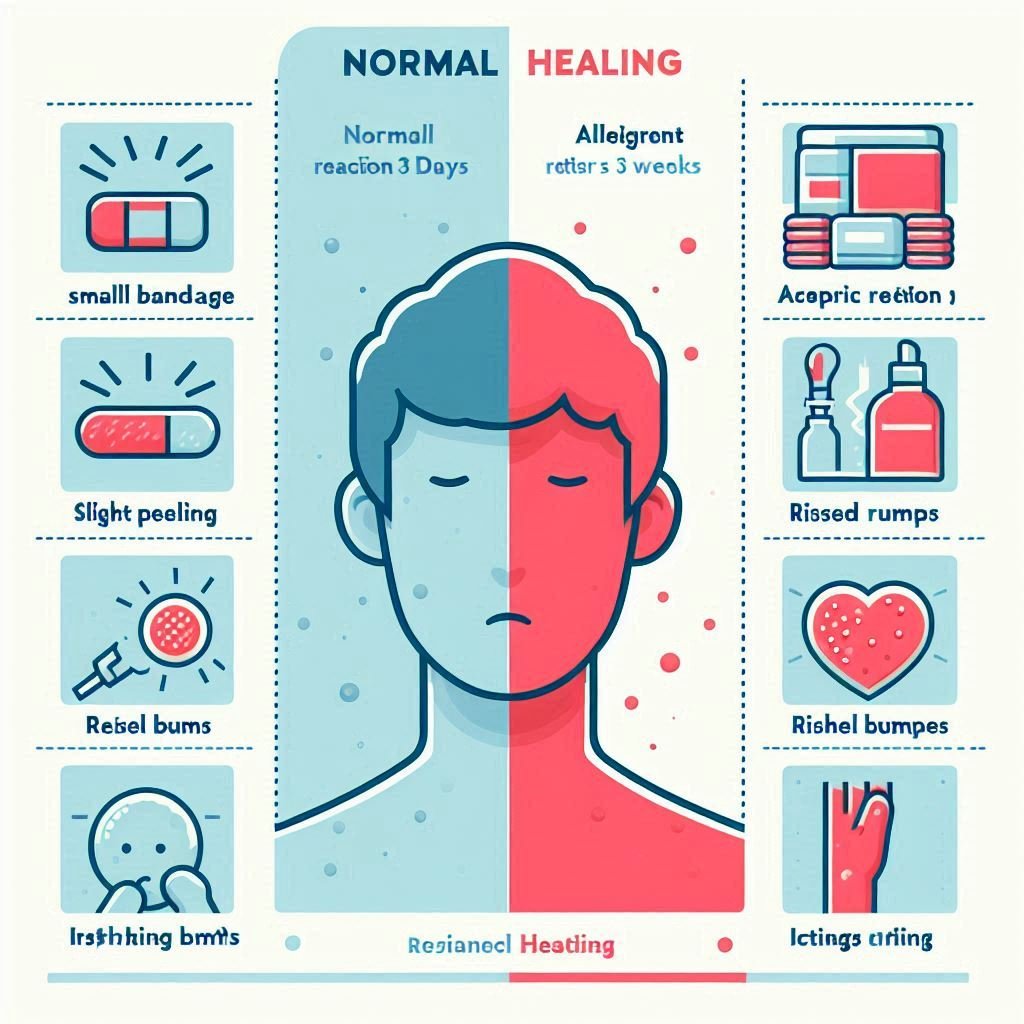
This is important because many people confuse normal healing with an allergic reaction.
Here is how I learned to tell the difference:
Normal healing:
- Mild redness for a few days
- Light peeling or flaking
- Slight itching that fades
Possible allergic reactions:
- Itching that gets worse over time
- Raised tattoo bumps after healing (not just during)
- Persistent redness (weeks, not days)
- Fluid or unusual discharge
- Reaction only in certain colors (like red parts only)
In my case, only the red ink areas showed a clear sign that it was not just healing. I kept wondering, why my itchy tattoo not healing like everyone is said it would.
This question finally pushed me to seek help.
Real-World Scenario: What Happened After Ignoring It
I ignored my symptoms for about two weeks, thinking it would “just settle.”
Bad idea.
The itching became intense, and I scratched it (another mistake). That led to:
- Slight scarring in one area
- Patchy fading of the ink
- A longer healing time (almost 6–8 weeks total)
Eventually, I had to visit a dermatologist who confirmed that it was a mild tattoo ink allergy and not an infection.
If I had acted earlier, I could have avoided some of that damage.
What Causes This Reaction?
From what I was told and later researched, there are a few main triggers:
1. Metal-based pigments
Some inks contain metals such as
- Mercury (red)
- Nickel
- Chromium
- Cobalt
If you have metal allergies (such as reactions to cheap jewelry), you are at a higher risk of a red tattoo ink reaction.
2. Sunlight reactions (photoallergy)
This one surprised me.
Certain pigments react under sunlight, especially:
- Yellow
- Red
You may feel fine indoors, but irritation can flare up after sun exposure.
3. Low-quality or unknown ink brands
Not all studios use high-quality inks. Cheaper inks can:
- Contain impurities
- Have inconsistent formulations
- Increase reaction risks
This is why choosing a reputable artist matters more than saving money. Many professional studios now offer hypoallergenic tattoo ink options; you just have to ask.
Step-by-Step: What to Do If You Suspect an Ink Allergy

If your tattoo is behaving strangely, here is a practical approach based on what actually works.
Step 1: Stop guessing
If you have raised tattoo bumps after healing or symptoms that last longer than 7–10 days, assume that normal healing has not occurred.
Step 2: Avoid scratching
I know it’s hard. But scratching:
- Damages the tattoo
- Increases infection risk
- Makes reactions worse
Instead, use gentle tapping or cold compresses.
Step 3: Switch to simple aftercare
Avoid fancy creams. Stick to:
- Fragrance-free moisturizer
- Mild soap
- Clean water
Some products can cause more irritation.
Step 4: Try over-the-counter relief
In mild cases:
- Antihistamines can reduce itching
- Hydrocortisone cream (light use only)
However, do not overdo it; this is temporary relief, not a cure.
Step 5: See a dermatologist
If your itchy tattoo does not heal, do not delay seeking medical attention.
In my case, the doctor prescribed:
- A stronger topical steroid
- Guidance on long-term care
This helped calm the situation within days.
Can Tattoo Ink Allergies Be Prevented?
The risk cannot be completely eliminated, but it can be significantly reduced.
Here is what I wish I had done:
1. Ask about the ink brand
Good artists will tell you this:
- Brand name
- Ingredients (or at least safety standards)
If they hesitate, it is a red flag. Better studios even offer hypoallergenic tattoo ink as a standard option.
2. Request a patch test
This is underrated.
Ask the artist to:
- Place a tiny dot of ink on your skin
- Wait 24–48 hours
Although not foolproof, it can detect obvious reactions, especially for red tattoo ink reaction,s before they cover a large area.
3. Avoid risky colors (if you are sensitive)
If you’ve had:
- Skin allergies
- Metal reactions
- Sensitive skin
Consider sticking to black or minimal-color designs.
4. Choose a professional studio
Look for:
- Clean workspace
- Licensed artists
- Good reviews with healed tattoo photos
Cheap tattoos often cost more later in terms of fixes and skin problems.
Can Allergic Tattoos Be Fixed?
This depends on the severity of the reaction.
Mild cases:
- Can settle with medication
- Tattoo may heal normally
Moderate cases:
- Ink may fade unevenly
- Touch-ups may be needed
Severe cases:
- Tattoo removal might be necessary
- Laser removal can be tricky if the skin is already sensitive
Fortunately, my issue remained within the mild-to-moderate range. Once I understood that my tattoo ink allergy was limited to red pigments, I could plan better for the future.
One Mistake Many People Make
People often return to the same artist and say:
“Can you just touch it up?”
However, if the issue is an allergy, adding more of the same ink can worsen it.
A better approach:
- Identify the problematic color
- Switch ink type (if possible)
- Consult a professional before reworking
Living With a Tattoo Allergy
Even after healing, some tattoos remain slightly sensitive to touch.
In my case:
- The red areas still get itchy occasionally in hot weather
- Direct sun exposure makes it flare up
So now I:
- Use sunscreen regularly
- Avoid long sun exposure
- Keep the skin moisturized
It is manageable, but it was something I did not expect when I first got inked.
Should You Completely Avoid Tattoos?
Not necessarily.
Many people with one bad reaction go on to get more tattoos, just smarter ones.
If I were to start again, I would:
- Choose black ink designs
- Do patch testing
- Ask for hypoallergenic tattoo ink if I want colors
- Ask more questions than I feel comfortable asking
At the end of the day, a tattoo is permanent, but so is your skin health.
Final Thoughts
Getting a tattoo is exciting, personal, and sometimes emotional. However, your skin is not just a canvas; it reacts, protects, and sometimes rejects what you put into it.
If something feels off, such as an itchy tattoo that is not healing or raised tattoo bumps after healing that do not go away, trust your instincts.
I learned through experience that a small reaction can turn into a bigger problem if ignored, but also that most issues are manageable if handled early.
Therefore, if you are planning your next tattoo, do not just think about the design. Consider the ink, your skin, and how the two will coexist long-term.
It is a decision that your future self will appreciate.